REVIEW · MALACCA CITY
Malacca & Putrajaya Tour
Book on GetYourGuide →Operated by E Asia Holidays · Bookable on GetYourGuide
Two cities, two moods, one long day.
This Malacca & Putrajaya Tour strings together UNESCO-era street corners in Malacca and the photo-famous Putra Mosque in Putrajaya. I like how it mixes classic shophouse lanes and landmarks with a clean, modern administrative city built for big views and architectural photos.
I also enjoy the human touch. It’s a private group with an English-speaking host, and the guide role can be very hands-on with directions and camera-friendly stops, including feedback mentioning guides like Captain JB and Nithi.
One thing to watch: the schedule is packed with transit, so you’ll want the right expectations. You’ll spend a chunk of the day riding in the van, and the Putrajaya boat ride is extra—plus you might find it more of a short loop than a full, long cruise.
In This Review
- Key things that make this tour worth your time
- How the day flows: Malacca streets first, Putrajaya architecture after
- Malacca’s historic photo circuit: St. Peter’s Church to Queen Victoria’s Fountain
- Jonker Street time: where the city turns street-level and snack-level
- St. Paul’s Hill and A Famosa: views that reward the uphill effort
- From the river to national landmarks: Melaka River Walk and beyond
- Putrajaya’s Putra Mosque and Putra Square: the pink dome moment
- Putrajaya landmark circuit: International Convention Centre, Millennium Monument, Seri Perdana
- Putrajaya Lake boat ride: worth the extra money, and what it might feel like
- Price and logistics: what $133 gets you, and where the value can wobble
- Who should book this tour (and who should consider alternatives)
- Should you book this Malacca & Putrajaya day trip?
- FAQ
- How long is the Malacca & Putrajaya Tour?
- What’s included in the price?
- Are hotel pickups and drop-offs included?
- Is this tour private?
- Is the tour wheelchair accessible?
- Do I need to pay extra for the Putrajaya boat ride?
- What language is the host or greeter?
- How do I get driver and tour updates?
- Is free cancellation available?
- Is there a reserve and pay later option?
Key things that make this tour worth your time
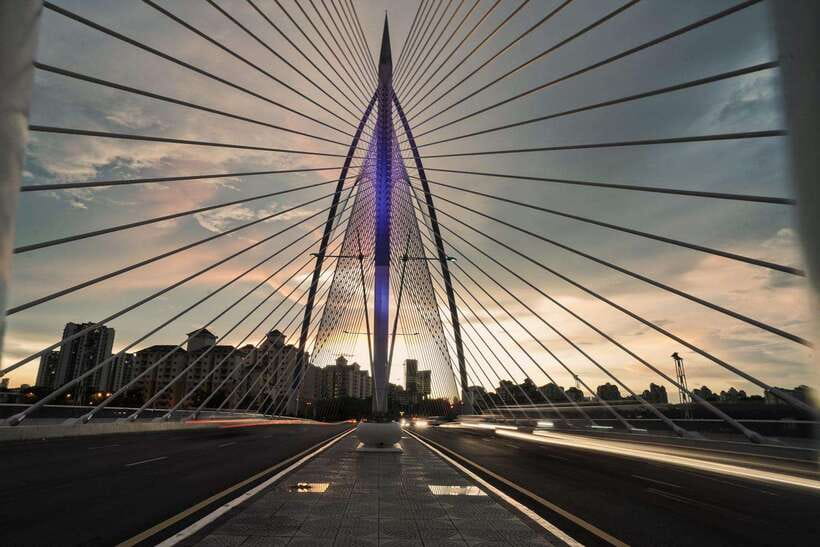
- UNESCO Malacca walking route: planned photo stops plus real time on Jonker Street.
- Putra Mosque photo moment: the pink dome is the headline and the timing is built around it.
- Government-city architecture stops: Putra Square, convention center, and official-office exteriors.
- Short, efficient photo pacing: many highlights are designed as quick stops rather than long museum visits.
- WhatsApp-based coordination: download it so you don’t miss driver details.
How the day flows: Malacca streets first, Putrajaya architecture after
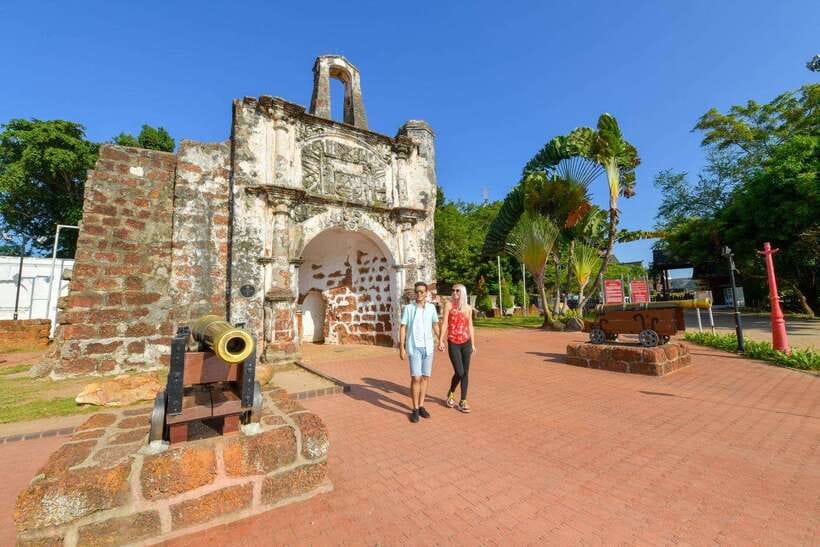
This is a classic “old meets new” day trip. You start in Malacca and work through the historic core with a walking-and-photo rhythm, then you shift gears and head to Putrajaya, Malaysia’s planned administrative capital. The switch is part of the appeal: Malacca is about lanes, churches, forts, and canal-side views. Putrajaya is about symmetry, wide spaces, and government architecture framed by lakes and bridges.
Be ready for a day that’s organized but not slow. With a total 9 hours on the clock, it’s more about seeing many landmarks than lingering forever at any one spot. That makes it a good choice when you want a hit list day, and you’ll still appreciate each place because the stops are concentrated.
One practical note: the van transfer time is real. You’ll go back and forth between regions, so plan your energy like it’s a sightseeing workout, not a casual stroll.
You can also read our reviews of more tours and experiences in Malacca City.

Malacca’s historic photo circuit: St. Peter’s Church to Queen Victoria’s Fountain
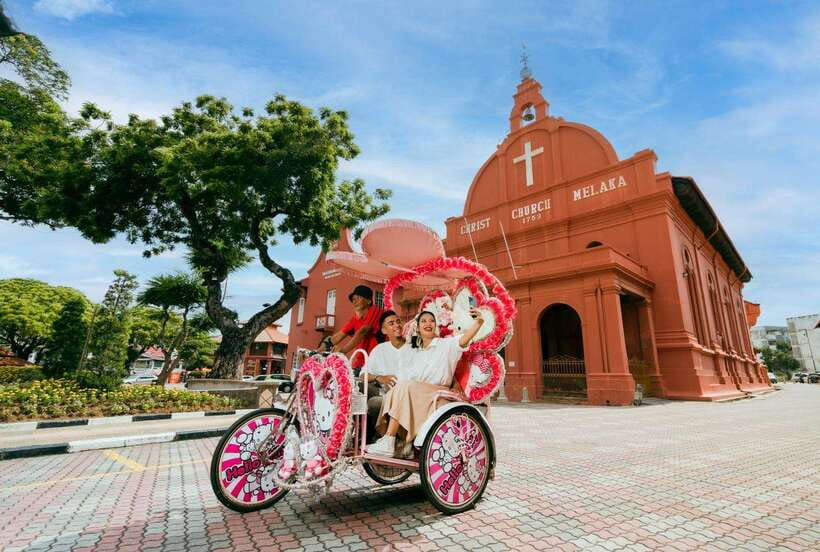
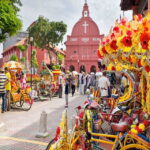
Malacca’s first half is built around recognizable sights, many of them quick stops where you can step out, orient yourself, and take photos before moving on. You’ll start with St. Peter’s Church in Melaka, then work toward Red Square and the Dutch-influenced Stadthuys area. These places are ideal for first-time visitors because they give you clear visual anchors—once you see them, Malacca’s story becomes easier to follow.
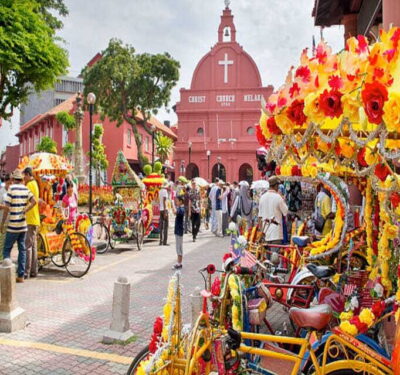
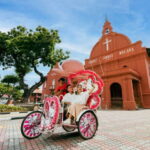
From there, the route continues to Christ Church Melaka and Queen Victoria’s Fountain. These stops matter because Malacca isn’t only about one cultural layer. You get European-era architecture mixed into a city that’s also known for Malay and Chinese influence. Even if you’re not deep into architecture, it helps you understand why Malacca looks like it has multiple “eras” layered into the same streets.
Heat can hit fast in Malaysia, and much of this leg is short outdoor windows. Wear something light, bring sunscreen, and treat the stops like quick photo missions—then enjoy the slower parts later at street level.
Jonker Street time: where the city turns street-level and snack-level
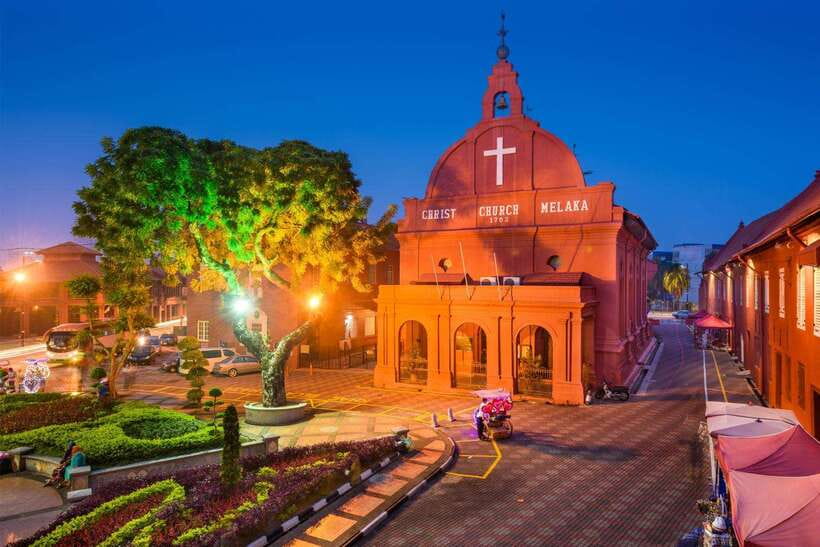
Jonker Street is the highlight stop for the Malacca side, and it’s where the experience shifts from landmark photography to everyday atmosphere. This is where you’ll get that feeling of a heritage city that still lives in the present day—shops, people, and plenty of small local flavors moving in and out of view.
This is also the portion of the day that benefits most from curiosity. I like to use Jonker Street time to wander without a rigid plan: pick a few streets, follow what looks interesting, then come back for the bigger sights you’ve already photographed. The tour’s pacing here works well because it gives you an actual moment to slow down compared with the earlier “stop-and-go” sites.
If you’re hungry, be strategic. You might be brought to a simple local lunch spot, and one example that comes up is an inexpensive meal where food is served on a banana leaf (like Hari Oum). That kind of stop can turn a sightseeing day into a memory tied to one taste, not just one photo.
St. Paul’s Hill and A Famosa: views that reward the uphill effort
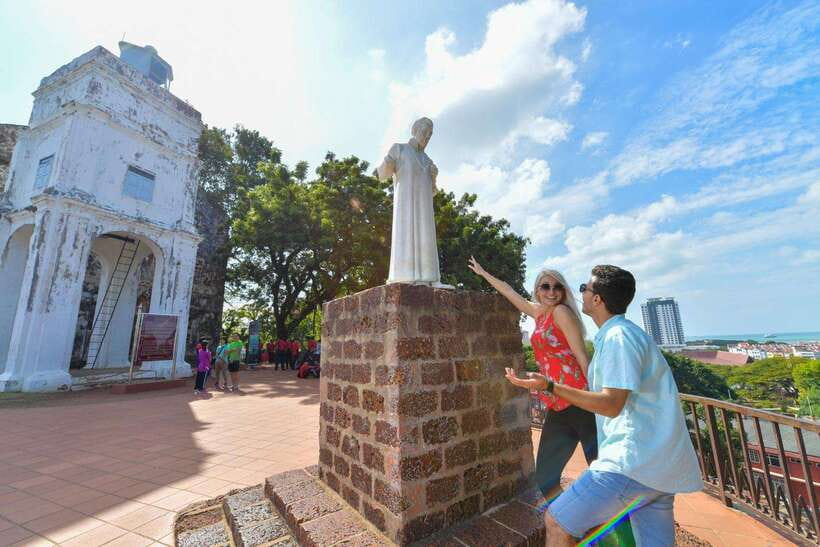
St. Paul’s Hill is next, and it’s the kind of stop that’s worth arriving for even if you’re tired. A hilltop viewpoint helps you understand the geography of the city—what’s clustered, what’s spread out, and how the historic core fits together. It’s also a great place to take photos that look different from the street-level shots. You’ll see Malacca from above, not just from the curb.
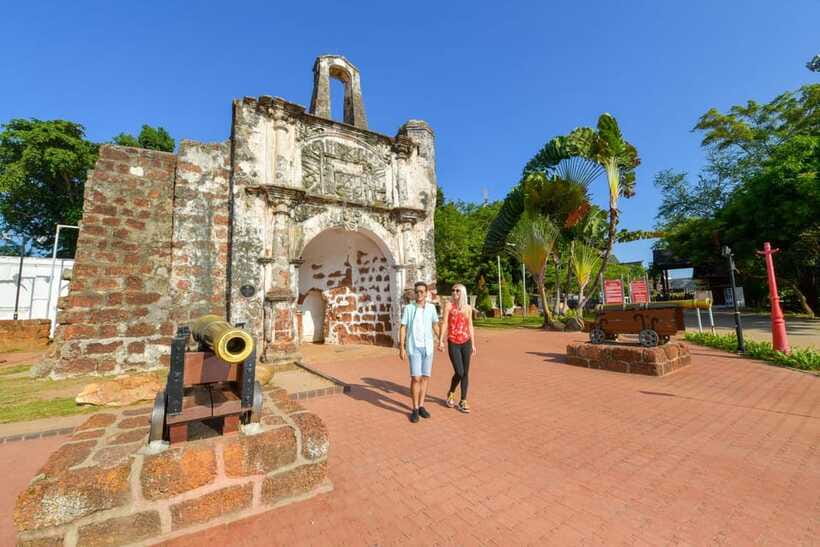
Then you reach A Famosa. This is one of Malacca’s iconic reminders of fort history. The big value here is how the site gives you scale: it turns earlier photo stops into a bigger narrative. Instead of only seeing buildings and squares, you connect the fort remnants to the idea of defense and trade routes that shaped the city.
Timing matters. If you’re the type who wants extra time to read plaques or linger for better light, keep your expectations realistic. The tour is built for coverage, so you’ll need to move with the group.
From the river to national landmarks: Melaka River Walk and beyond
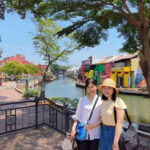
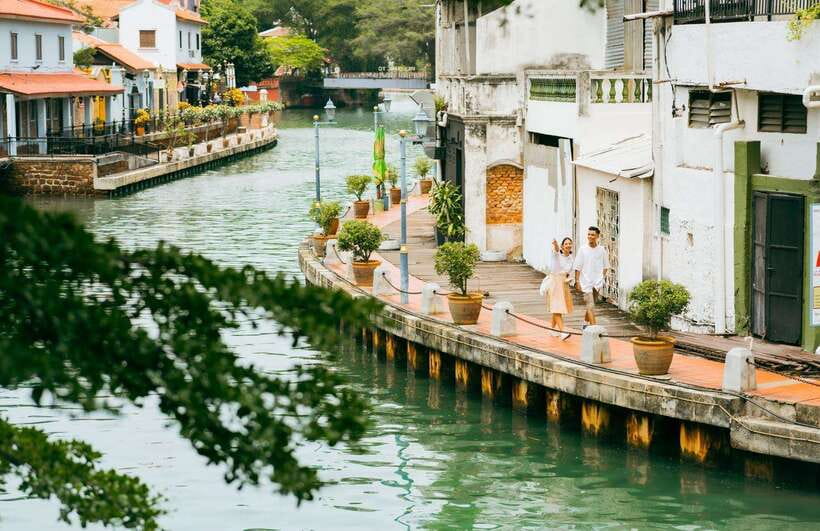
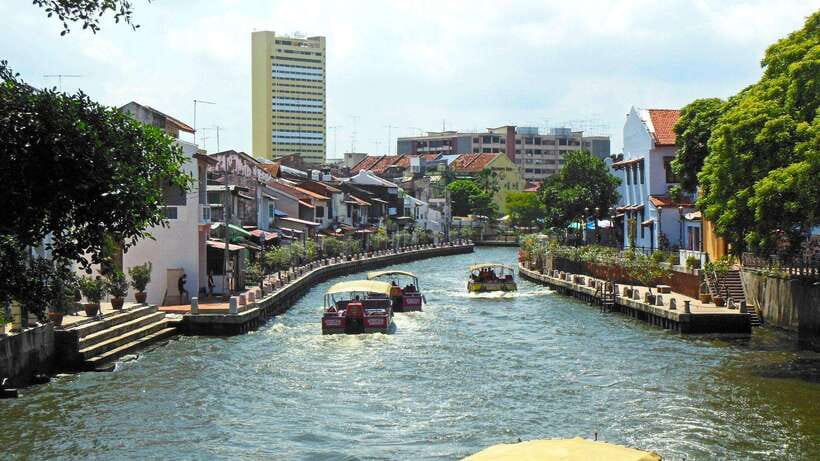
After the fort and viewpoints, the route includes the Melaka River Walk. This part is a nice change of pace because it’s more relaxed than hilltop photo stops. Riverfront areas are where you can let your eyes rest: watch the water, take photos that show the setting, and enjoy the atmosphere without feeling like you’re racing.
Right after that, the tour continues into the next theme—nation-building and official landmarks. You’ll have photo stops at the Proclamation of Independence Memorial, then move through major administrative exteriors like Mahkamah Persekutuan Malaysia and the Prime Minister’s Office. These aren’t museum-style stops on this itinerary; they’re more about seeing the places themselves and capturing the architecture from appropriate public viewpoints.
This sequence works best if you treat it as a contrast exercise. Malacca is about layers of past influence; Putrajaya is about planned government space and clean lines. By the time you reach these national landmarks, you’ll already be tuned into the “old-to-new” story.
Putrajaya’s Putra Mosque and Putra Square: the pink dome moment
Now comes the reason many people book: Putrajaya’s pink-domed Putra Mosque. The tour is structured around classic photo moments here—so you can snap photos without having to guess where the best angles might be. This dome is instantly recognizable, and it’s one of those sights that changes how you read Putrajaya. It turns the city from “nice modern buildings” into something with identity and drama.
Putra Square is the next key stop. It’s a central anchor area in Putrajaya, and it’s helpful because it gives you context. Once you stand near Putra Square, the surrounding landmarks feel like part of a bigger design plan rather than a random collection of buildings.
If you want to take photos, keep your timing tight. The tour doesn’t treat this as a long worship-site visit. It’s more of a highlight stop, so bring your camera settings ready and move to your preferred spot quickly.
Putrajaya landmark circuit: International Convention Centre, Millennium Monument, Seri Perdana
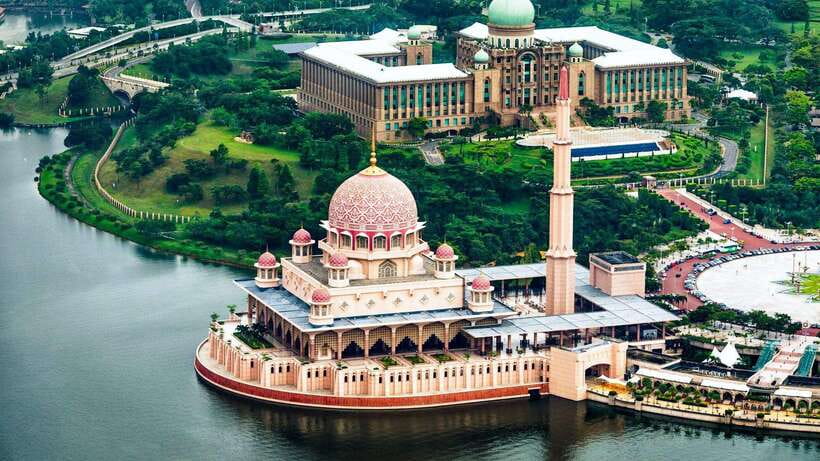
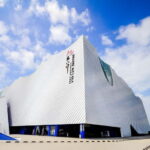
After the mosque and square, you’ll continue with Putrajaya’s landmark circuit. The route includes the Putrajaya International Convention Centre and the Millennium Monument, plus photo stops related to Seri Perdana and other official areas.
These places are all about form and spacing. You’ll notice straight lines, designed sightlines, and the way the city uses open space to make buildings look even more striking. Even if you’re not into architecture, you’ll probably appreciate how different Putrajaya feels from older cities: here, you’re walking through a plan.
This portion also rewards good walking shoes and patience. Distances can feel bigger than expected because the city layout is wide. The good news is that your sightseeing is broken into short, purposeful stops, so you’re not wandering without direction.
Putrajaya Lake boat ride: worth the extra money, and what it might feel like
The option that often gets asked about is the Putrajaya Lake boat ride. The ticket is at your own cost, so you should decide based on what you want from your photos and time.
If you love water-and-architecture scenery, the lake route can add a softer angle to the same landmarks you’ll see from land. The tour description also points out that you can pass landmarks like the Seri Wawasan Bridge and Perdana Putra during the boat route.
One consideration: you might find the boat ride is not a long, dramatic cruise. There’s at least one cautionary note that it may be more of a short looping ride than what you’d expect from a full cruise experience. If that would disappoint you, stick to the land-based architecture photos and save the cost.
Price and logistics: what $133 gets you, and where the value can wobble
At $133 per person for a 9-hour private-group day with round-trip hotel transfers, the value comes from two things: convenience and structure. You don’t have to organize two cities, manage transfers, and plan a route that hits key landmarks. That’s the practical benefit.
But you also pay for the logistics in time. The schedule includes major van time (including an upfront van stretch and a shorter return ride later), so you’re buying coverage. If you want deep, slow exploration—especially in Malacca—this tour might feel like it’s moving too fast.
The tour can also feel more photo-driven than storytelling-driven. Some guide styles are talkative and scene-setting; others focus more on driving and photo help. On balance, the best use of this tour is as a guided highlights circuit. If you want big context at every step, you might need to ask questions directly and keep them specific.
Who should book this tour (and who should consider alternatives)
This Malacca & Putrajaya day trip fits best if you want a one-day greatest hits approach. It’s great for first-timers in Malaysia’s KL area who want UNESCO-era streets and a modern planned city in the same day without handling transport.
It’s also smart for people who prefer a private format. Since it’s a private group and the host speaks English, you can move at a pace that feels more comfortable than a large group bus tour.
Who might think twice:
- If you’re the type who wants to spend hours in one heritage neighborhood, Malacca might feel compressed.
- If you care a lot about a long boat cruise, double-check your expectations because the lake ride may be shorter than a traditional cruise experience.
- If you want a lot of spoken history and guided commentary at each stop, you’ll want to be comfortable prompting the guide.
Should you book this Malacca & Putrajaya day trip?
Yes—if you want a structured, efficient day that delivers two very different sides of Malaysia: historic Malacca streets and Putrajaya’s clean, modern architecture with the pink-domed Putra Mosque as the clear centerpiece. The private group and hotel transfers make it easy to pull off, even if you’re short on time.
Maybe pass or adjust expectations if you’re hoping for a slow, deep Malacca experience or a long lake cruise. In that case, you’d likely be happier with more time in Malacca (and a separate Putrajaya visit).
FAQ
How long is the Malacca & Putrajaya Tour?
The tour lasts 9 hours. Starting times depend on availability.
What’s included in the price?
The tour includes round trip transfers to and from your hotel.
Are hotel pickups and drop-offs included?
Yes, complimentary pickup and drop-off are available for hotels or residences within a 5 km radius from the Petronas Twin Towers. Pickup options include Kuala Lumpur City Centre and Bukit Bintang.
Is this tour private?
Yes. It runs as a private group.
Is the tour wheelchair accessible?
Yes, it’s listed as wheelchair accessible.
Do I need to pay extra for the Putrajaya boat ride?
Yes. The Putrajaya boat ride ticket is at your own cost.
What language is the host or greeter?
English.
How do I get driver and tour updates?
The operator uses WhatsApp as the primary communication platform, so it helps to download WhatsApp ahead of time.
Is free cancellation available?
Yes. You can cancel up to 24 hours in advance for a full refund.
Is there a reserve and pay later option?
Yes. You can reserve your spot and pay later, without paying today.