REVIEW · MELAKA
Melaka UNESCO City Guided Walking Tour – Tip Based
Book on Viator →Operated by Monster Day Tours Malaysia · Bookable on Viator
Melaka makes history walkable. I love that this tip-based UNESCO-area walk turns big landmarks into clear, human stories you can actually use while you’re there. In about 2 hours 30 minutes, you’ll cover the city’s main layers—Malay, Portuguese, Dutch, and Peranakan—without paying more than you planned.
My favorite part is the guide storytelling. Guides like Mimi and John can make architecture and old politics feel personal, not like a textbook. I also like the balance of stops: churches and forts in the morning-style pace, then Jonker Street and Peranakan culture later, so you finish with both context and atmosphere.
One heads-up: this is real walking, and you’ll want moderate fitness. Also budget for the suggested tips (RM50–100 per person), because the paid booking fee doesn’t replace that part of the experience.
In This Review
- Key highlights to know before you go
- Why this UNESCO core makes more sense on foot
- Price and expectations: $5.20 booking fee plus suggested RM50–100 tips
- Meeting point at Jonker Chocolate House, ending near Monster Day Tours
- The 2.5-hour route: what each stop gives you (and what to watch for)
- 1) Christ Church: the oldest functioning Anglican church in Malaysia
- 2) Red Square (Dutch Square): Dutch governance in tropical form
- 3) St. Paul’s Hill & Church: Portuguese roots and an armless statue story
- 4) Malacca Sultanate Palace: timber reconstruction and Malay court life
- 5) A Famosa Fort: the Portuguese gateway that survived
- 6) Proclamation of Independence Memorial: independence through a 1912 mansion
- 7) Malacca River: UNESCO-listed heritage and the old trade route
- 8) Melaka Tourist Information Center: the mousedeer origin story
- 9) Jonker Street: antiques by day, night market from Friday to Sunday
- 10) Baba & Nyonya Heritage Museum: Peranakan life in full color
- 11) Chee Ancestral Mansion: Dutch façade with Peranakan interior
- 12) Hotel Puri Melaka: Straits Chinese décor you can actually walk through
- The guides: what makes Mimi and John’s style work
- What to wear and how to pace yourself for a comfortable 2 hours 30 minutes
- Who this tour is best for (and who should skip it)
- Should you book this tip-based UNESCO Melaka walking tour?
- FAQ
- How long is the Melaka UNESCO guided walking tour?
- How much does the tour cost?
- Is the tour free if I already paid the booking fee?
- What language is the tour guide?
- How many people are in a group?
- Where do I meet the guide and where does it end?
- Do I need to pay admission fees for the stops?
- What should my fitness level be?
- Is there free cancellation?
Key highlights to know before you go
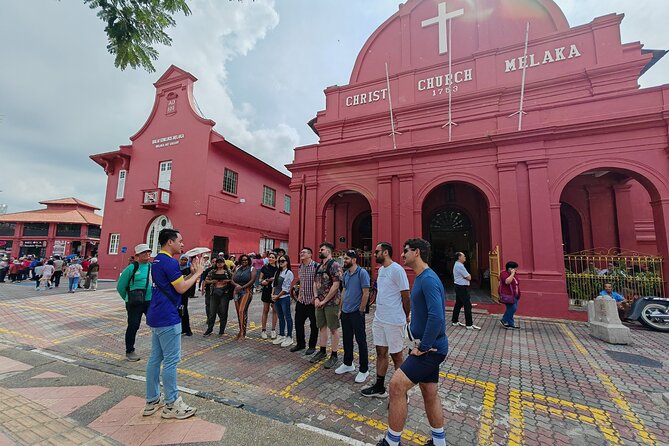
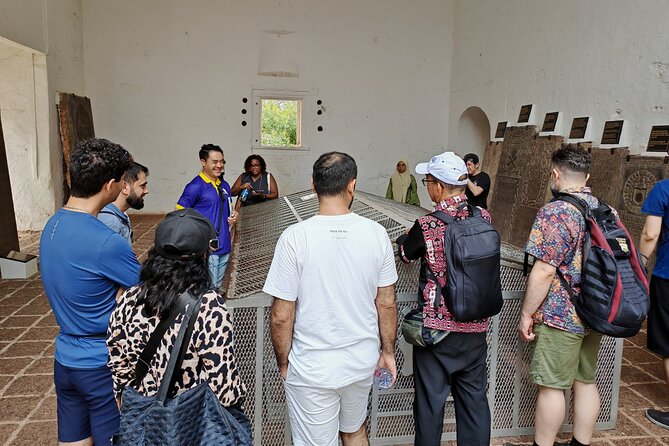
- Small group energy (up to 5 travelers) with an English-speaking guide who can pace the walk for the group
- Portuguese, Dutch, and Anglican landmarks in one loop, including Christ Church and the Portuguese ruins on St. Paul’s Hill
- A Famosa’s Portuguese gateway shows how Melaka was once enclosed and strategic, not just scenic
- Sultan Mansur Shah’s palace is recreated in timber, so you can picture court life instead of only seeing ruins
- Jonker Street timing is built in, with day antique browsing and the night market running Friday to Sunday
- Peranakan culture shows up more than once, from the Baba & Nyonya Heritage Museum to Chee Ancestral Mansion and Hotel Puri Melaka
Why this UNESCO core makes more sense on foot
Melaka’s UNESCO center is tight, layered, and full of meaning. The walking format matters because so many key sites are best understood when you’re standing in the middle of the street-level details—front facades, church angles, river edges, and old-town corners.
This tour also keeps things practical. Instead of sprinting from one photo spot to another, you get a steady rhythm: short stops with clear explanations, then a bit more ground covered. With a group capped at 5 travelers, it’s easier to hear the guide and ask follow-up questions when something clicks—like why a Portuguese chapel became Dutch “Bovenkerk,” or why a statue appears without an arm.
And because it’s English-speaking, you don’t have to piece together the meaning from signs, which saves time and brainpower. In a city like this, clarity is the whole point.
You can also read our reviews of more tours and experiences in Melaka.
Price and expectations: $5.20 booking fee plus suggested RM50–100 tips
At $5.20 per person, the booking fee is low enough that you can try the tour without overthinking your budget. But here’s the deal: the tour is tip-based, which means the fee secures your spot while tips (suggested RM50–100 per person) directly support the guide.
That setup is usually fair for a guided walk—especially when you’ll be with someone for about 2.5 hours and they’re doing the real work: translating history into something you can follow, then walking you through it step by step.
Still, it’s smart to plan this in advance. If you arrive expecting the booking fee to cover everything, you may feel surprised later. So I’d treat it like this: pay the booking fee to get in, then decide on the tip level you feel is right based on the quality and how much you learned.
One more practical note: the route includes several landmark interiors or overlooks that are listed as free for admission tickets at the stops. That helps keep your personal spending down, even if you choose to enter everything you’re offered.
Meeting point at Jonker Chocolate House, ending near Monster Day Tours
You’ll start at Jonker Chocolate House, No. 1, Jalan Laksamana, Banda Hilir (75000 Melaka). Ending point is Monster Day Tours Melaka, Jalan Hang Jebat (75200 Melaka).
Why you should care: knowing the start and finish anchors you mentally. You’ll walk through the historic core in a loop-like flow, and you won’t end up stranded across town. It’s also helpful for planning what you do next—like browsing Jonker Street market lanes afterward or grabbing dinner near the river heritage area.
The overall pace is designed for moderate fitness. If you’re comfortable walking around town and handling a few changes in elevation (St. Paul’s Hill is the obvious one), you’ll be fine.
The 2.5-hour route: what each stop gives you (and what to watch for)
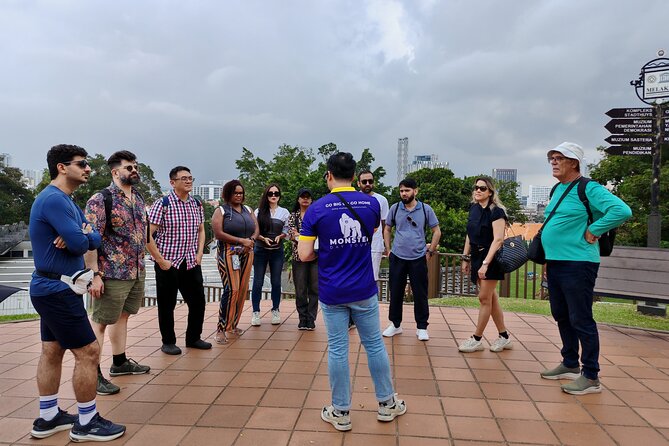
Think of the walk as a guided timeline. You’ll move from colonial-era faith buildings to power centers, then into Malay court storytelling, and finish with local cultural identity and street life.
1) Christ Church: the oldest functioning Anglican church in Malaysia
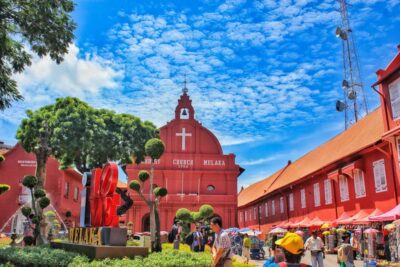
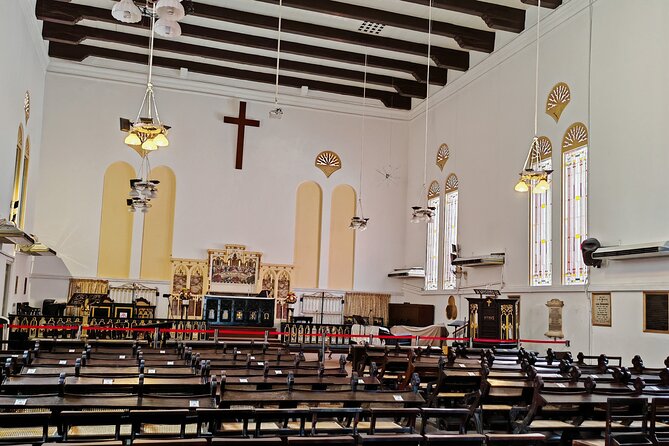
You start at Christ Church, an 18th-century Dutch Protestant church. What I like about this stop is that it frames the British and Anglican story in a way that makes sense historically—this isn’t just a “pretty church,” it’s a continuity point.
You’ll get free admission, and the goal here is orientation: once you understand where the church sits in the broader story, you’ll read the rest of the architecture differently.



2) Red Square (Dutch Square): Dutch governance in tropical form
Next up is Red Square, also known as Dutch Square. This was the former Dutch governor’s residence from 1650, and it’s the “how power looked” moment.
The practical reality: midday heat can hit hard in Melaka. This stop is short, but it’s also a reminder to slow down, hydrate, and notice how civic buildings were made to function in a tropical climate.
3) St. Paul’s Hill & Church: Portuguese roots and an armless statue story
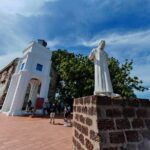
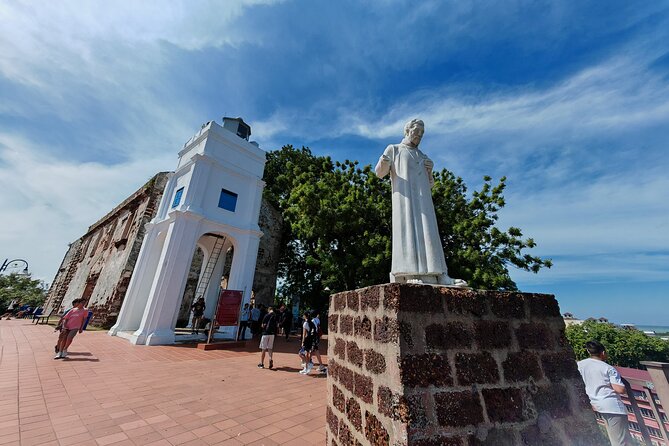
Then comes St. Paul’s Hill & Church (Bukit St. Paul). You’re looking at ruins of a 16th-century Portuguese chapel, later linked to Dutch control as Bovenkerk. It’s described as the oldest European building east of India—so you’re not just seeing old stones; you’re seeing a geographic “edge” marker.
One small detail I’d pay attention to: a statue of St. Francis Xavier missing his right hand. The guide will explain it quickly, and it’s the kind of story that makes the site memorable because it’s a little strange in a human way.
4) Malacca Sultanate Palace: timber reconstruction and Malay court life
After the European layers, you switch gears to Malay court life at the Malacca Sultanate Palace. Instead of ruins, this is a timber reconstruction of Sultan Mansur Shah’s 15th-century palace.
This stop helps you avoid a common Melaka mistake: focusing only on colonial buildings. Here, you learn what governance and status looked like from the Malay side. It’s easier to picture the past because the structure is reconstructed rather than fragmentary.
5) A Famosa Fort: the Portuguese gateway that survived
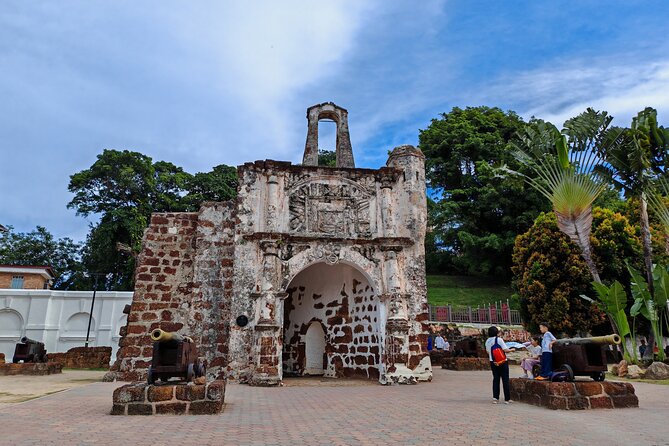
Next is A Famosa Fort—specifically the surviving gateway of the Portuguese fortress from 1512. This is one of those stops where you stand in front of something that’s still physically anchored, so your brain can hold the scale.
The big idea: this gateway once sat inside a fortress that enclosed an entire town. Even if your photos turn out ordinary, the explanation should change how you imagine the old layout.
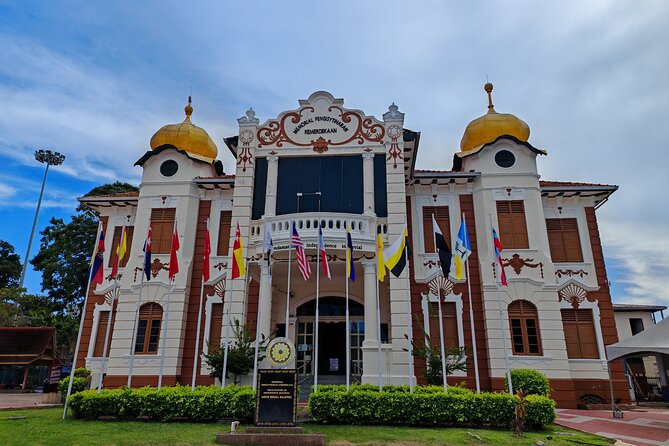
6) Proclamation of Independence Memorial: independence through a 1912 mansion
You then visit the Proclamation of Independence Memorial, a 1912 mansion now serving as a museum about Malaysia’s 1957 independence.
This stop matters because it connects colonial-era history to the modern national story. It’s not only about who arrived and built things; it’s about what happened next.
7) Malacca River: UNESCO-listed heritage and the old trade route
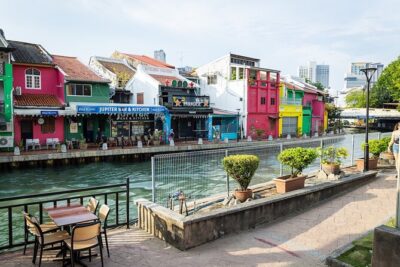
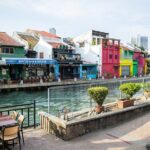
Then you move to the Malacca River, a UNESCO-listed heritage quarter. The key context you get here is that the river was once a major entrepôt—lined with warehouses and built for trade.
If you’ve ever wondered why Melaka mattered, this is where it clicks. The river isn’t just scenic; it explains why so many cultures ended up connected here.
8) Melaka Tourist Information Center: the mousedeer origin story
At the Melaka Tourist Information Center, you hear the legend of Parameswara: he was an exiled prince who named Melaka after witnessing a brave mousedeer (sang kancil) topple his hunting dog into the river while he sat under the Melaka Tree.
This is exactly the kind of story worth keeping because it adds local color to the historical timeline. Even if you treat it as legend, it shows how people explain place and identity.
9) Jonker Street: antiques by day, night market from Friday to Sunday
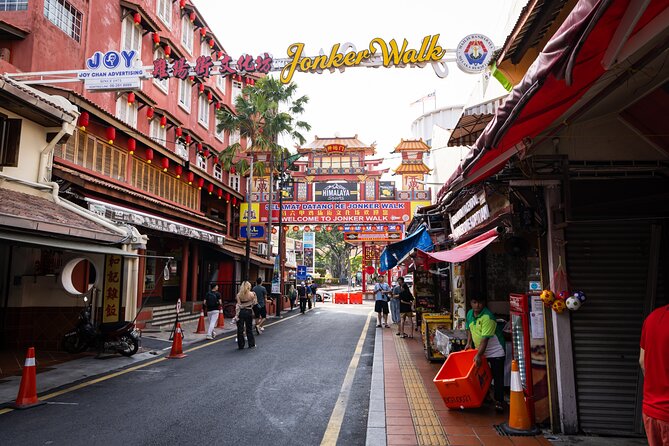
Next is Jonker Street, the Chinatown heartbeat. During the day, it’s known for antique shops. From Friday to Sunday, it’s especially active with the night market.
If you’re doing this tour on one of those days, your guide can help you see the street with intention instead of just walking through crowds. If you’re going midweek, it’s still worth it—you’ll just get a calmer slice of the neighborhood.
10) Baba & Nyonya Heritage Museum: Peranakan life in full color
Then you’ll step into Peranakan culture at the Baba & Nyonya Heritage Museum. This stop gives you insight into the opulent lifestyle and the unique Peranakan identity of Melaka’s Straits Chinese community.
I like this placement in the tour. You’ve already seen layers of European and Malay influence, and now you get a third thread: how local communities blended culture into something distinct.
11) Chee Ancestral Mansion: Dutch façade with Peranakan interior
You also visit Chee Ancestral Mansion, a hall built in the 1920s by OCBC chairman Chee Swee Cheng. The big point here is the rare blend: Dutch façade outside, Peranakan interior inside.
This is where you start noticing architecture as a language. Once you spot that pattern, you’ll see it everywhere in Melaka after the tour ends.
12) Hotel Puri Melaka: Straits Chinese décor you can actually walk through
Finally, you stop at Hotel Puri Melaka. It’s the former home of 19th-century philanthropist Tan Kim Seng. You’ll get a glimpse via the lobby and its Straits Chinese décor.
This is a nice wrap-up. Instead of ending with a random viewpoint, you end with a living-use space where you can see how old wealth and style show up in present-day Melaka.
The guides: what makes Mimi and John’s style work
The best part of this kind of walking tour isn’t the map. It’s how the guide makes connections.
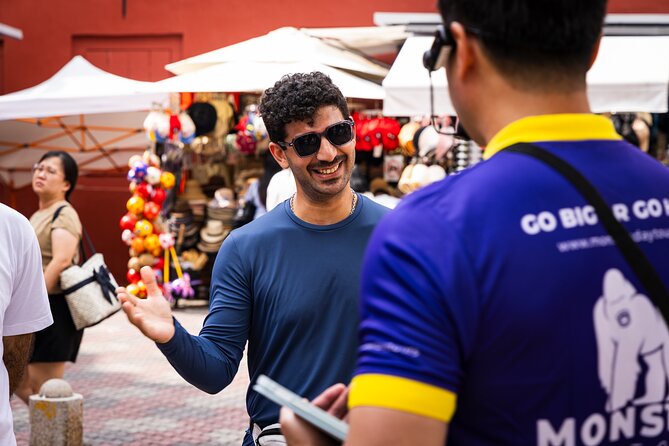
Guides like Mimi and John are the kind of hosts who don’t just recite facts. They tell the story so you understand why each building exists and how it fits into what came before. That’s what turns a list of landmarks into a coherent experience.
Another strong signal: on at least one occasion, Mimi extended the tour to include important stops. That tells you this isn’t always a rigid “check the boxes and leave” setup. When your guide has space to correct gaps, you benefit.
What to wear and how to pace yourself for a comfortable 2 hours 30 minutes
This is a walk meant for moderate physical fitness, so you’ll want shoes you trust. Comfortable, grippy footwear helps—especially on older streets and around heritage areas.
Also plan for sun. The tour includes exposed sections and at least one hill area (Bukit St. Paul), so a hat and water make the experience feel easier.
If you’re traveling with someone who moves slower, the small group size is helpful. With a cap of 5 travelers, it’s easier for the guide to slow down without the whole group losing momentum.
Who this tour is best for (and who should skip it)
This is a great fit if:
- You want the big UNESCO story of Melaka explained in clear steps
- You like history, but you also like it tied to street-level details you can see
- You enjoy Peranakan culture and want more than one stop connected to it
- You’re short on time and want a route that covers churches, forts, river heritage, and Jonker Street in one go
It may not be ideal if:
- You hate walking or you need constant vehicle transport
- You can’t do hill areas and uneven sidewalks comfortably
- You only want one narrow slice of history (like only churches or only food) rather than the full weave
Should you book this tip-based UNESCO Melaka walking tour?
I’d book it if you want a guided route that gives you context fast and helps you see Melaka as more than postcard views. The value is strong at $5.20, and the suggested RM50–100 tips are reasonable if your guide’s storytelling connects the dots for you.
Book it sooner rather than later if you like the idea of a small group (up to 5 travelers), because that size can make the difference between hearing the guide and just following along.
If you’re budgeting carefully, just remember: plan for tips, wear solid walking shoes, and use the time to absorb the stories at each stop—not just the photos.
FAQ
How long is the Melaka UNESCO guided walking tour?
It runs about 2 hours 30 minutes (approx.).
How much does the tour cost?
The price is listed as $5.20 per person.
Is the tour free if I already paid the booking fee?
The tour is tip-based. The booking fee secures your spot, and tips are expected and directly support the guide (suggested RM50–100 per person).
What language is the tour guide?
The tour includes an English-speaking tour guide.
How many people are in a group?
This experience has a maximum of 5 travelers.
Where do I meet the guide and where does it end?
Meet at Jonker Chocolate House, No. 1 Jalan Laksamana, Banda Hilir, Melaka. The tour ends at Monster Day Tours Melaka, Jalan Hang Jebat, Melaka.
Do I need to pay admission fees for the stops?
Admission tickets are listed as free for the stops included in the route.
What should my fitness level be?
You should have a moderate physical fitness level for this guided walking tour.
Is there free cancellation?
Yes. You can cancel up to 24 hours in advance for a full refund.
If you would rather see the city by tour than on foot, Happy To Visit compares ten favourite Malacca city tours, and the state’s official Melaka portal covers the UNESCO zone’s opening times.